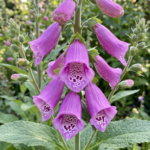
Cinchona and Digitalis Plants
1) Cinchona (Family – Rubiaceae)
- Biological Source: Quinine is obtained from the hard, thick bark of Cinchona calisaya, C. officinalis, C. robusta, C. ledger [ledgeriana] of 5 years onward old plant.
- Identifying Character: White, granular, bitter taste.
- Organoleptic Character:
- Colour: Stem and root bark brown outside, yellow within, i.e., white and black markings.
- Odour: Nil
- Taste: Bitter
- Texture: Rough
- Chemical Constituents: About 30 alkaloids have been reported as occurring in cinchona barks; many of these are crystalline, but some are amorphous. The four most important alkaloids are quinine, cinchonidine, and quinidine; next important are hydroquinine, hydrocinchonidine, quinamine, cinchotine, and homocinchonidine.
- Uses:
- Quinine possesses marked bactericidal action.
- It is used chiefly in the treatment of malaria.
- It is also used as a tonic and antiseptic.
- Quinine is employed for the prophylaxis of cardiac arrhythmias and for the treatment of atrial fibrillation.
- Adulterant: Remijia purdieana
- The cinchona tree is the national tree of Ecuador and Peru.
2) Digitalis
- Active Principals or Chemical Constituents: Leaves of wild varieties have been used for medicinal purposes; contain at least 30 different glycosides in total quantities ranging from 0.1% – 0.6%. These primarily consist of Glycoside-A and Glycoside-B. Other components are digitoxin, gitoxin, digoxin, digitalin, and gitaloxin.
- Uses:
- The plant extract is used in the treatment of atrial fibrillation.
- The plant extraction is also used in the treatment of the heart.
4