Catharanthus roseus and Andrographis Paniculata description

Catharanthus roseus Chemical Constituents / Active Principals: The major alkaloids present in Catharanthus are: Rosinidin Vinblastine Vincristine Uses: The plant juice is used in the treatment of hypertension. The root extraction is very…
Atropa belladonna
Atropa belladonna Chemical Constituents / Active Principals:The chemical components are atropine, scopolamine, and hyoscyamine. Uses:Belladonna decoction and powders are used for pharmaceutical purposes. Scopolamine is used for recovery from…
Adhatoda vasica
Adhatoda vasica Organoleptic Characters: It is a tall, much-branched evergreen shrub. Leaves of the plants are lanceolate, large, and dark green in colour. Leaves are 12–20 cm long, 2.5–5 cm in width. The margin of the leaves is crenate and the apex…
Strychnos nux-vomica
Strychnos nux-vomica Organoleptic Characters: Colour: Ash gray or greenish-grey. Odour: None. Taste: Intensely bitter. Size: Seeds are 10–30 mm in diameter and 4–6 mm in thickness. Shape: The seeds are disc-shaped, somewhat flat, irregularly bent…
Aloe Vera
Aloe Vera Chemical Component or Active Principals: The leaf contains some chemicals like mannas, polymannans, anthraquinone, anthrones, emodin, and lectins. Uses: The leaf extraction is used to cure wounds and skin lesions. The polysaccharides of…
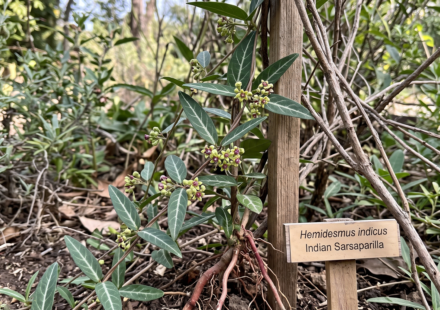
Hemidesmus indicus
Hemidesmus indicus As medicine “Anantmool” holds a repute place in all systems of medicine in India. The roots are used as addition in main treatment of snakebite and scorpion sting. It improves the general health, plumpness, clearness and…
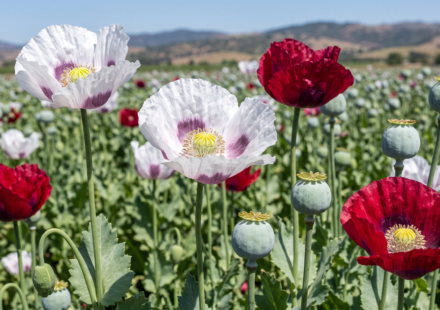
Papaver somniferum
Papaver somniferum Active principal: Opium contains two main groups of alkaloids, phenanthrenes such as morphine, codeine and and thebaine are the main narcotic constituents. Isoquinolines such as papaverine and noscapine have no significant central…
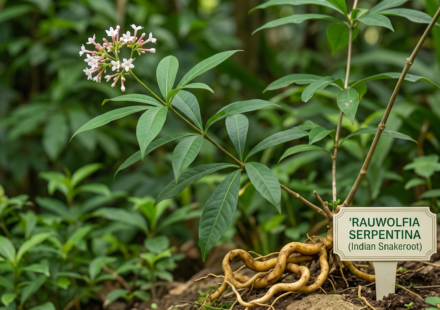
Rauwolfia serpentina
Biological Source: Rauwolfia consists of dried root and rhizomatous stalk of Rauwolfia serpentina (Apocynaceae) usually collected in the autumn from the plants that are for 3-4 years old. Diagnostic feature: Usually cylindrical or slightly tapering…
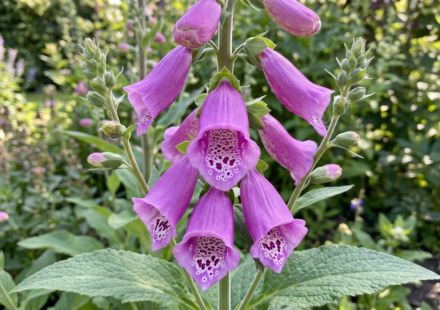
Digitalis Purpurea
Digitalis
Adulteration
Adulteration Adulteration can be defined as the mixing of low price material with a high price artical. It is followed by some people due to scarcity of high priced materials. In these case the drug constituents is substitued by another. Adulteration…
Types of drug plants
Types of drug plants Drug plants can be arranged for study under following headings:- i) Alphabetical: This arrangement using lation or vernacular names are employed for dictionaries etc. ii) Taxonomy: On the basis of an accepted system of botanical…
Different Terms of Pharmacology
Pharmacognosy: Pharmacognosy is formed [from] two greek word ‘pharmacon’ means drugs and ‘gnosis’ means knowledge. So, pharmacognosy is scientific study of structural, physical, chemical and sensory characters of drugs of plants and animals. It also…