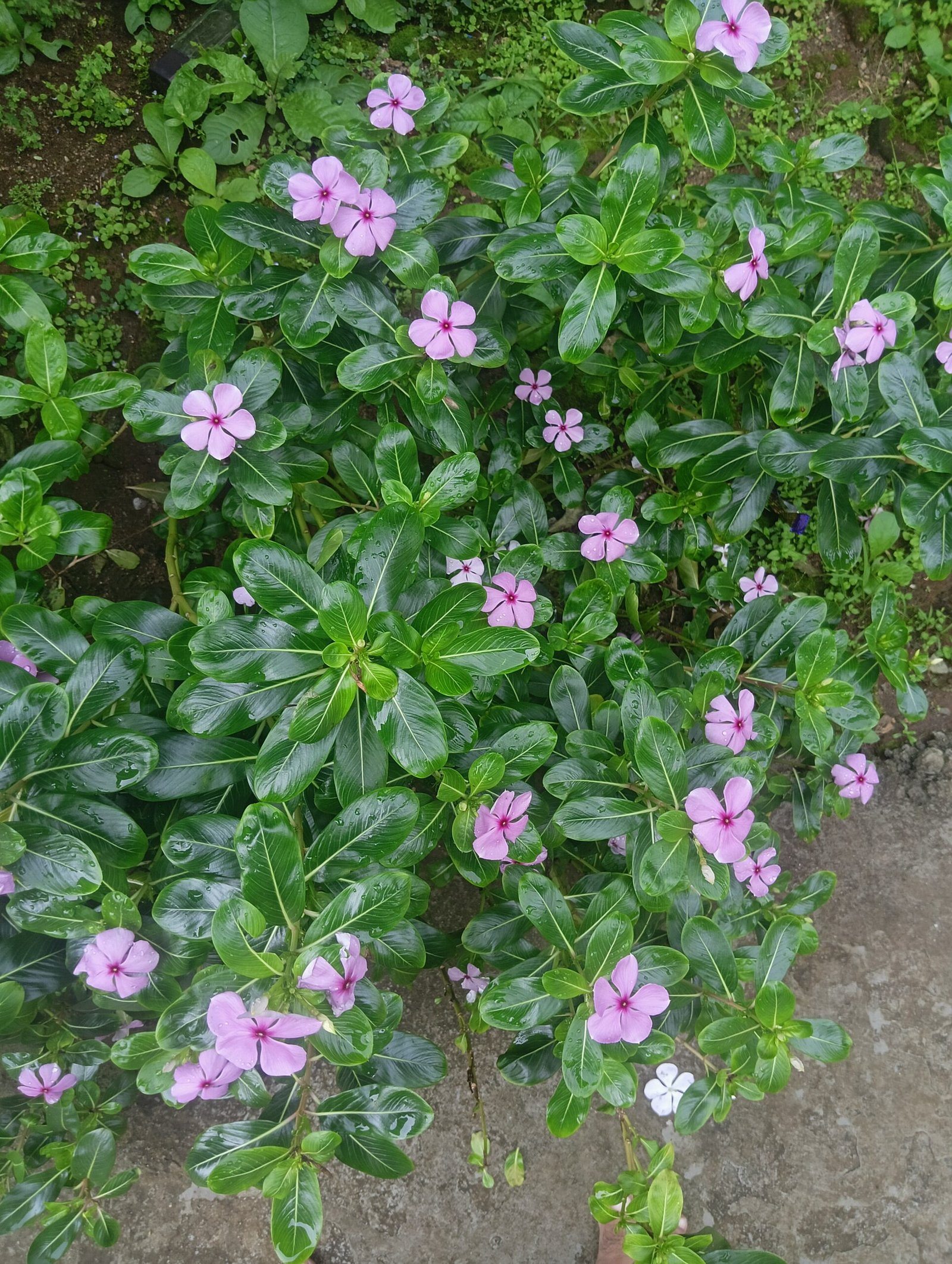
Catharanthus roseus: The Medicinal Plant
Catharanthus roseus: The Beautiful Medicinal Plant with Remarkable Healing Potential
Introduction
Catharanthus roseus, commonly known as Madagascar periwinkle, is one of the most beautiful and scientifically important flowering plants in the world. Known for its attractive five-petaled flowers and glossy green leaves, this plant is widely grown in gardens as an ornamental species. However, its importance goes far beyond its beauty.
Catharanthus roseus is famous for producing valuable natural compounds that have contributed significantly to modern medicine. The plant has attracted the attention of botanists, pharmacologists, researchers, and the pharmaceutical industry because of its unique medicinal properties.

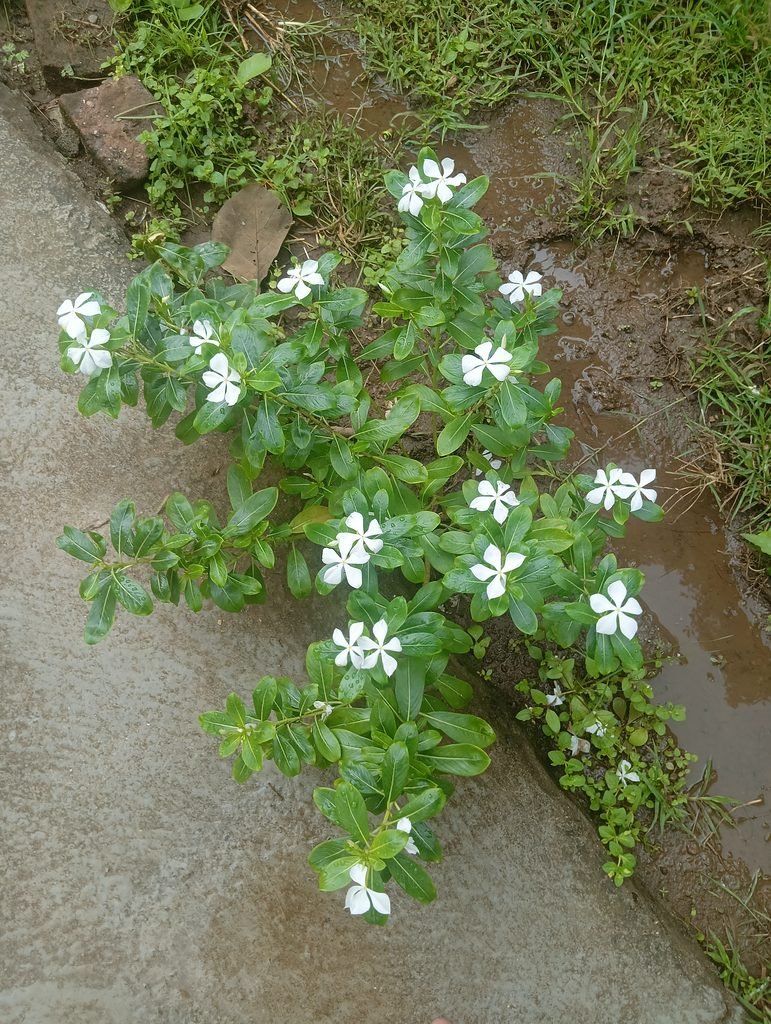
Scientific Classification
The scientific classification of Catharanthus roseus is as follows:
- Kingdom: Plantae
- Division: Angiosperms
- Class: Eudicots
- Order: Gentianales
- Family: Apocynaceae
- Genus: Catharanthus
- Species: Catharanthus roseus
The plant was previously known by other scientific names, including Vinca rosea. Today, Catharanthus roseus is the widely accepted scientific name.
Common Names
Catharanthus roseus is known by several common names around the world, including:
- Madagascar periwinkle
- Rosy periwinkle
- Cape periwinkle
- Annual vinca
- Nayantara
In India, the plant is commonly found in gardens, parks, roadsides, and residential areas because it grows easily in warm climatic conditions.
Origin and Distribution
Catharanthus roseus is native to Madagascar, an island country located off the southeastern coast of Africa. Over time, the plant has spread to many tropical and subtropical regions around the world.
Today, it is cultivated and naturalized in countries across:
- Asia
- Africa
- Australia
- North and South America
- Tropical islands
Its ability to tolerate warm temperatures and relatively dry conditions makes it a popular garden plant.
Botanical Description
Catharanthus roseus is a small perennial plant that is often grown as an annual ornamental flower.
1. Stem
The plant has a soft, branching stem that may become slightly woody as it matures. It generally grows upright and forms a compact bush.
2. Leaves
The leaves are:
- Dark green
- Glossy
- Oval-shaped
- Arranged opposite each other
- Smooth in texture
A prominent light-colored midrib is often visible on the leaves.
3. Flowers
The flowers are one of the most attractive features of Catharanthus roseus. They usually have five petals and may appear in several colors, including:
- Pink
- White
- Purple
- Red
- Light lavender
Many flowers have a contrasting colored center, making them especially attractive.
4. Fruits and Seeds
The plant produces narrow, elongated fruits containing numerous small seeds. These seeds can be used for plant propagation.
Medicinal Importance of Catharanthus roseus
Catharanthus roseus is particularly famous because it produces important natural compounds known as alkaloids.
Two of the most well-known compounds obtained from the plant are:
Vincristine
Vincristine is an important plant-derived compound that has been developed into a medicine used in the treatment of certain cancers.
Vinblastine
Vinblastine is another significant compound associated with Catharanthus roseus and has also been developed for use in cancer treatment.
These discoveries made Catharanthus roseus one of the most important medicinal plants in modern pharmaceutical research.
Important Note: Although the plant contains medically important compounds, consuming or self-medicating with Catharanthus roseus can be dangerous. The plant contains powerful bioactive chemicals and should not be used as a home remedy without guidance from a qualified healthcare professional.
Major Chemical Compounds
Catharanthus roseus contains a wide range of natural chemical compounds, particularly terpenoid indole alkaloids.
Some important compounds associated with the plant include:
- Vincristine
- Vinblastine
- Ajmalicine
- Serpentine
- Catharanthine
- Vindoline
Researchers continue to study these compounds because of their biological and pharmaceutical importance.
Importance in Cancer Research
One of the greatest contributions of Catharanthus roseus to science is its role in cancer research and drug development.
Certain alkaloids derived from this plant have been developed into medicines that can interfere with the process of cell division. This property has made some of these compounds valuable in specific cancer treatments.
The discovery of these plant-derived medicines demonstrates the enormous importance of biodiversity and medicinal plant research.
Catharanthus roseus as an Ornamental Plant
Apart from its medicinal importance, Catharanthus roseus is extremely popular as an ornamental plant.
Gardeners love the plant because it offers:
- Beautiful colorful flowers
- Long flowering periods
- Easy maintenance
- Good tolerance to warm weather
- Suitability for pots and gardens
The plant can add color and beauty to:
- Home gardens
- Balconies
- Public parks
- Roadside landscapes
- Flower beds
- Containers
How to Grow Catharanthus roseus
Growing Catharanthus roseus is relatively easy.
Sunlight
The plant grows well in:
- Full sunlight
- Bright locations
- Warm environments
Soil
Well-drained soil is important for healthy growth. The plant generally prefers soil that does not remain excessively wet.
Watering
Water the plant regularly, but avoid excessive watering. Waterlogged soil may damage the roots.
Temperature
Catharanthus roseus grows best in warm conditions and is suitable for tropical and subtropical climates.
Propagation
The plant can be propagated through:
- Seeds
- Stem cuttings in suitable conditions
Ecological Importance
Catharanthus roseus also plays a role in garden ecosystems. Its flowers can attract pollinating insects such as butterflies and other beneficial insects.
The plant contributes to:
- Garden biodiversity
- Pollinator support
- Urban greenery
- Landscape beauty
Medicinal plants such as Catharanthus roseus also highlight the importance of protecting plant diversity around the world.
Interesting Facts About Catharanthus roseus
Here are some fascinating facts about this remarkable plant:
- Catharanthus roseus is native to Madagascar.
- It belongs to the family Apocynaceae.
- It is widely cultivated as an ornamental flower.
- The plant produces important medicinal alkaloids.
- Some plant-derived compounds have played a major role in cancer medicine.
- Its flowers commonly have five petals.
- It can grow well in warm and sunny climates.
- It is commonly known as Madagascar periwinkle.
- The plant is widely studied by botanists and pharmaceutical researchers.
- It is an excellent example of the connection between plants and modern medicine.
Conclusion
Catharanthus roseus is much more than a beautiful garden flower. It is a remarkable plant that combines ornamental beauty, botanical importance, and scientific value. Native to Madagascar, this plant has become globally recognized for its colorful flowers and valuable natural compounds.
Its contribution to pharmaceutical research demonstrates how plants can provide important resources for medicine and scientific discovery. At the same time, its popularity as an ornamental plant makes it a familiar and attractive part of gardens and landscapes around the world.
Catharanthus roseus reminds us that even a small flowering plant can hold extraordinary scientific importance. Protecting and studying medicinal plants is essential for discovering new compounds and expanding our understanding of nature’s incredible resources.
Frequently Asked Questions (FAQ)
What is Catharanthus roseus commonly known as?
Catharanthus roseus is commonly known as Madagascar periwinkle, rosy periwinkle, or annual vinca.
Where does Catharanthus roseus originate?
The plant is native to Madagascar.
Why is Catharanthus roseus important?
It is important because it is both a beautiful ornamental plant and a source of scientifically important natural compounds used in pharmaceutical research and medicine.
What color are Catharanthus roseus flowers?
The flowers may be pink, white, purple, red, or lavender, often with a contrasting center.
Is Catharanthus roseus easy to grow?
Yes, it is generally easy to grow in warm climates with adequate sunlight and well-drained soil.
Is Catharanthus roseus a medicinal plant?
Yes, it is an important medicinal plant because it produces bioactive alkaloids that have contributed to the development of important medicines. However, the raw plant should not be consumed or used for self-medication without professional guidance.